


 01:33:41
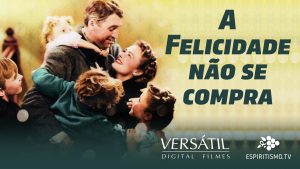
A FELICIDADE NÃO SE COMPRA
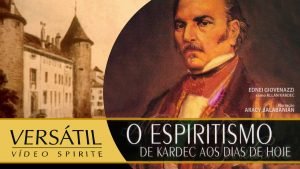
ESPIRITISMO – DE KARDEC AOS DIAS DE HOJE
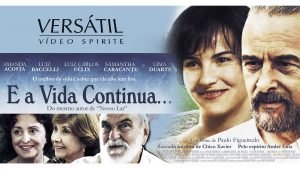
E A VIDA CONTINUA
O LIVRO DOS ESPÍRITOS SEGUNDO O CINEMA
MINHA VIDA NA OUTRA VIDA
A REENCARNAÇÃO DE MANIKA
IRMÃO SOL, IRMÃ LUA (FRATELLO SOLE, SORRELA LUNA)
O PROCESSO DE JOANA DARC
JAN HUS – O REFORMADOR CRISTÃO
SÓCRATES
NESTE MUNDO E NO OUTRO
SANTA JOANA
SANTO AGOSTINHO
FREUD ALÉM DA ALMA
GIORDANO BRUNO
PARA SEMPRE PESTALOZZI
O EVANGELHO SEGUNDO SÃO MATEUS
VICTOR HUGO NO CINEMA – PARTE 01
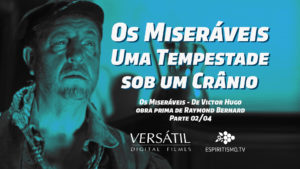
OS MISERÁVEIS – PARTE 02, UMA TEMPESTADE SOB UM CRÂNIO
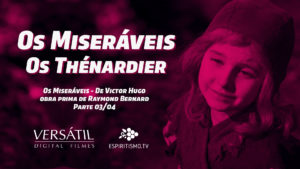
OS MISERÁVEIS – PARTE 03, OS THÉNARDIER
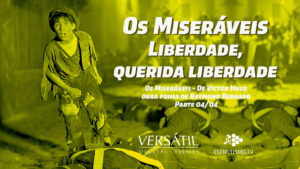
OS MISERÁVEIS – PARTE 04, LIBERDADE, QUERIDA LIBERDADE
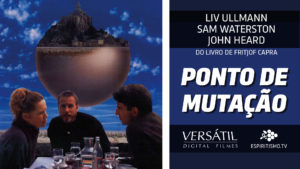
PONTO DE MUTAÇÃO
ARCA RUSSA
A PAIXÃO DE JOANA DARC
MINHAS VIDAS – PARTE 01
MINHAS VIDAS – PARTE 02
“E se eu jamais tivesse existido? Como seria o mundo?” George Bailey teve o privilégio de saber. Em um momento de desespero financeiro, resolveu se matar. Mas a intervenção veio do alto, e um anjo da guarda o salvou. Ainda desconsolado, o homem preferiu, então, que nem tivesse nascido. E o emissário do “céu” revelou-lhe uma realidade bem mais triste.
Este é basicamente o enredo de “A Felicidade não se compra” (It’s a wonderful life). O longa-metragem, de 1946, é um grande clássico. Eleito um dos filmes mais inspiradores da história e um sucesso de todos os Natais, foi produzido e dirigido por Frank Capra. Sua distribuição no Brasil é da Versátil Vídeo Spirite.
A maior parte da narrativa dedica-se à vida de George, interpretado por James Stewart. Ele é um homem bondoso, que sempre abdicou dos próprios sonhos para socorrer a família e os amigos.
Foi assim que herdou a firma de empréstimos imobiliários do pai. Sem que se desse conta, por suas boas ações, a vida de toda a comunidade. E tocou o coração de cada uma dessas pessoas.

Abdullah Altun Tin Suresi Here
The recitation of by Abdullah Altun is more than a mere vocal performance; it is a profound meditative journey through one of the Quran’s most philosophically dense chapters. This Surah, which begins with oaths by the fig and the olive, serves as a divine testament to the inherent dignity and potential of the human spirit. In Altun’s rendition, the cadence and tonal control bring a unique weight to these symbols, bridging the gap between the physical world and the metaphysical truths they represent. The Duality of Human Nature
The Surah concludes with a rhetorical challenge to the deniers of the Day of Judgment, asking, "Is not Allah the most just of judges?" Abdullah Altun’s mastery of Tajwid (the rules of recitation) ensures that this final question lingers in the air, prompting introspection. The clarity of his pronunciation allows the listener to appreciate the linguistic symmetry of the Surah, where the oaths of the beginning find their resolution in the ultimate justice of the end. Abdullah Altun Tin Suresi
Central to the Surah is the contrast between the "best of forms" ( Ahsan-i Taqweem ) and the "lowest of the low" ( Asfala Safileen ). Altun’s delivery emphasizes this dramatic tension. By grounding the listener in a rhythmic, steady flow, he mirrors the stability of the "City of Security" (Mecca) mentioned in the verses. When the recitation reaches the discussion of man’s potential fall, the shift in vocal texture highlights the gravity of the choice presented to humanity. It underscores the idea that while humans are created with divine excellence, it is through faith and righteous action—represented by the rhythmic "except those who believe"—that they maintain their elevated status. A Call to Justice and Reflection The recitation of by Abdullah Altun is more
This exploration delves into the spiritual and linguistic layers of Abdullah Altun's recitation of Surah At-Tin. The Resonance of the Fig and the Olive The Duality of Human Nature The Surah concludes
Ultimately, Altun’s recitation of Surah At-Tin serves as a sonic bridge to the Quran’s timeless message. It invites the listener to move beyond the literal meaning of the words and engage with the spiritual reality of their own existence, reminding them that their value is rooted in a purpose that transcends the material world.
obrigado por essa jóia rara
Obrigada era tudo que eu precisava assistir! sabe quando desanima, passei tanto cuidando de tantos com tanto prazer ,estava desacreditando que vale a pena dar seu melhor ! Sempre vale a pena se a alma não for pequena !
Que filme lindo! Obrigada por disponibilizar! Dá vontade de sair abraçando todo mundo! 😍
Ok
Que filme lindo!! Um dos melhores que já assisti em minha vida! Nos faz relembrar o valor de nossa vida, nossas amizades, nossa família!! Deus abençoe vcs por nos ofertar essa maravilhosa oportunidade!