Bir Gгјzel Sevmiеџtim, Yanaдџд± Gamze - Karaoke (arabesk & Damar) -
Some versions of the lyrics invoke legendary tragic lovers from Middle Eastern folklore, such as Mecnun, Kerem , and Ferhat , to emphasize the scale of the narrator's suffering.
The song ends with the haunting sentiment that the loved one's name is written on the narrator's heart, and even fate cannot erase it. Musical Context
Originally written and composed by , the song was released by İbrahim Tatlıses on August 22, 1996, as part of the album Ben De İsterem . It has also been covered by artists like Selahattin Cesur (1987) and remains a staple in karaoke sessions for those seeking to express "Damar" emotions. Some versions of the lyrics invoke legendary tragic
To experience the classic Arabesk performance, watch İbrahim Tatlıses's live version from his iconic TV show: İbrahim Tatlıses - Bir Güzel Sevmiştim - İbo Show İbrahim Tatlıses YouTube• Aug 5, 2016
However, the narrative shifts to heartbreak as the couple is torn apart by (fate) and felek (the heavens or destiny). This "cruel fate" is a recurring motif in Arabesk music, portraying the lovers as victims of circumstances beyond their control. Key Narrative Elements It has also been covered by artists like
The lyrics describe a narrator who falls deeply in love with a woman characterized by her beautiful dimpled cheeks () and a smile that is as melodic as the saz (a traditional Turkish stringed instrument).
The song (also known simply as "Yanağı Gamze" ) is a classic of the Arabesk and Damar genres, most famously performed by İbrahim Tatlıses . It tells a poignant story of deep love and forced separation, common themes in Turkish "Damar" (meaning "vein," implying music that strikes a nerve) music. The Story and Theme Key Narrative Elements The lyrics describe a narrator
The narrator declares that even death cannot kill their love ( öldürseler beni, sevdamız ölmez ).
Подписка на уведомления о прибытии
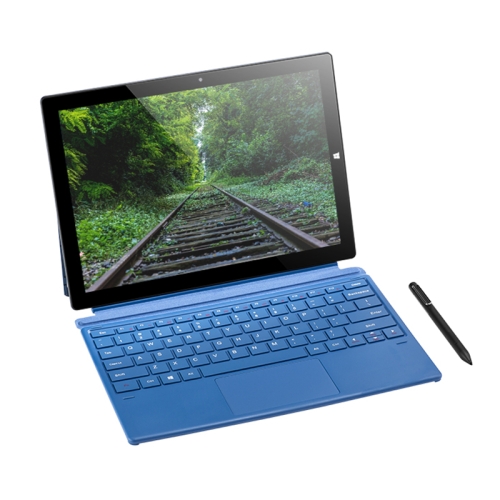 |
PIPO W10 2 в 1 планшетный ПК, 10,1 дюйма, 6 ГБ + 64 ГБ, Система Windows 10, Intel Gemini Lake N4120 Quad Core до 2,6 ГГц, с клавиатурой и стилусом, поддержка двойной полосы WiFi & Bluetooth & TF Card и HDMI, US Plug
Товар #: WMC3510
|
Пожалуйста, оставьте свой адрес электронной почты и имя, мы прислаем вам электронное письмо и сообщение, как только этот товар будет на складе.