



Max Styler Is About To Turn Decadence Arizona Into A Groove Playground

- Trending
 System Overload 2026Fri Feb 27
Rawhide Event Center
18+ - Trending
 Decadence Arizona 2025 | The Portal of I11usionsTue Dec 30
Phoenix Raceway
18+ - Trending
 John Summit | Bird's Nest 2026Sat Feb 07
TPC Scottsdale/Scottsdale Sports Complex Fields
21+ - Trending
 LevitySat Feb 14
Mesa Amphitheater
18+ - Trending
 Odd Mob | Phoenix Warehouse Project 2 Year AnniversaryFri Mar 13
Warehouse 215
18+
- Trending
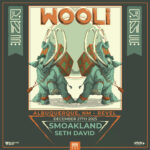
 WooliSat Aug 30
Rawhide Event Center - Trending
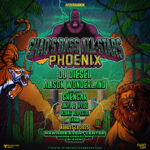 SHAQ's Bass All-Stars PhoenixSat Aug 16
Rawhide Event Center - Trending
 GrabbitzFri Nov 07
Darkstar - Trending
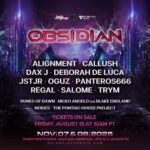 Obsidian 2025Fri Nov 07
Eastlake Park - Trending
 Chris LorenzoSun Aug 31
Maya Dayclub
- Trending
 RB Writer Picks: Top Tracks of 2025Courtney Longhurst
 - Trending
 Enter The Portal of Beats: A Guide to The Music of Decadence AZMarcus Arrieta
 - Trending
 RB Exclusive Interview: Braydon Terzo Headlines DarkstarKaden Kleinschmidt
 - Trending
 The EDM Subgenres of 2025 Making Marks On PlaylistsAmra Alic
 - Trending
 Knock2 Scheduled to Launch Decadence Night One Into the StratosphereChase Courtney
- NewAlleycvt
- New
 Capozzitech house
 - New
 ISOxo
ISOxo - New
 Bella ReneeElectronic pop
 - New
 YetepDance