Free.txt -
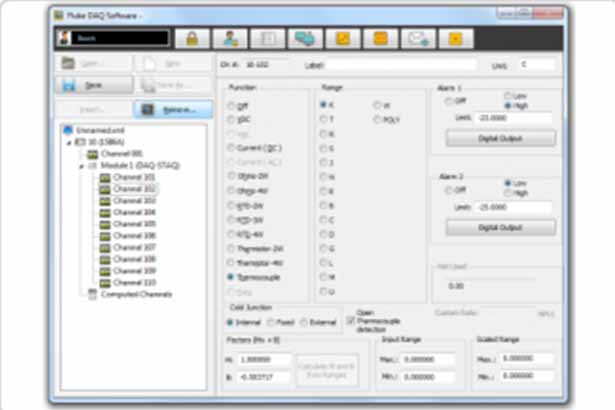
Simply connect your 2638A, 1586A, NetDAQ or 2680A Series to your computer and your current hard¬ware configuration will pre-populate in the configuration setup area, ready to edit if needed.

Simply connect your 2638A, 1586A, NetDAQ or 2680A Series to your computer and your current hard¬ware configuration will pre-populate in the configuration setup area, ready to edit if needed.
However, in a modern context, the word "Free" often acts as a lure. We live in an attention economy where, if you aren't paying for the product, you are the product. A "Free.txt" file found on a peer-to-peer network or a suspicious website might be a "Trojan horse," carrying metadata trackers or serving as a placeholder for ad-supported software. It serves as a reminder that digital storage, bandwidth, and the labor required to produce content are never truly cost-free; the bill is simply paid through data mining or advertising. The Minimalist Power of Plain Text
Beyond the price tag, Free.txt champions a "freeing" of the mind. In an era of notification-heavy apps and bloated word processors, plain text offers a distraction-free environment. For writers, programmers, and thinkers, working in a .txt environment is a way to reclaim focus. It is "free" from the clutter of toolbars and the anxiety of perfect formatting, allowing the creator to focus solely on the substance of their thought. Conclusion
“Free.txt” represents more than just a filename; it is a symbol of the digital age’s tension between the radical accessibility of information and the hidden costs of “free” content. The Philosophy of Open Access
Free.txt is a paradox. It represents the best of the internet—the promise of universal, open, and simple communication—while also highlighting the complexities of digital security and the reality of the attention economy. Whether it is a manifesto for open-source information or a minimalist tool for personal productivity, it reminds us that the most valuable things in the digital world are often those that are the simplest to share. How would you like to this concept—
At its core, a file named Free.txt suggests the democratization of knowledge. In the early days of the internet, the prevailing ethos was that "information wants to be free." Plain text files (.txt) are the most universal, lightweight, and resilient format available. They require no proprietary software to open and can be read by almost any device ever made. By stripping away formatting, we are left with the raw utility of the written word—a pure exchange of ideas unburdened by the "gatekeeping" of paid software or complex layouts. The Illusion of "Free"
However, in a modern context, the word "Free" often acts as a lure. We live in an attention economy where, if you aren't paying for the product, you are the product. A "Free.txt" file found on a peer-to-peer network or a suspicious website might be a "Trojan horse," carrying metadata trackers or serving as a placeholder for ad-supported software. It serves as a reminder that digital storage, bandwidth, and the labor required to produce content are never truly cost-free; the bill is simply paid through data mining or advertising. The Minimalist Power of Plain Text
Beyond the price tag, Free.txt champions a "freeing" of the mind. In an era of notification-heavy apps and bloated word processors, plain text offers a distraction-free environment. For writers, programmers, and thinkers, working in a .txt environment is a way to reclaim focus. It is "free" from the clutter of toolbars and the anxiety of perfect formatting, allowing the creator to focus solely on the substance of their thought. Conclusion Free.txt
“Free.txt” represents more than just a filename; it is a symbol of the digital age’s tension between the radical accessibility of information and the hidden costs of “free” content. The Philosophy of Open Access However, in a modern context, the word "Free"
Free.txt is a paradox. It represents the best of the internet—the promise of universal, open, and simple communication—while also highlighting the complexities of digital security and the reality of the attention economy. Whether it is a manifesto for open-source information or a minimalist tool for personal productivity, it reminds us that the most valuable things in the digital world are often those that are the simplest to share. How would you like to this concept— It serves as a reminder that digital storage,
At its core, a file named Free.txt suggests the democratization of knowledge. In the early days of the internet, the prevailing ethos was that "information wants to be free." Plain text files (.txt) are the most universal, lightweight, and resilient format available. They require no proprietary software to open and can be read by almost any device ever made. By stripping away formatting, we are left with the raw utility of the written word—a pure exchange of ideas unburdened by the "gatekeeping" of paid software or complex layouts. The Illusion of "Free"