Exploring the intersection of materials, chemistry, and design.
As older adults remain active, experts stress the importance of continuing sexual health education. Rates of sexually transmitted infections (STIs) have seen a rise among seniors in the U.S., partly due to a lack of emphasis on safe sex practices in this demographic. Health providers are now being encouraged to have more open, non-judgmental conversations with older patients about protection and reproductive health.
While the desire for intimacy remains, physical changes are a reality. Issues such as hormonal shifts (menopause in women) or erectile dysfunction in men are common. However, the U.S. healthcare market has seen a surge in treatments, from pharmaceutical interventions to specialized therapies, making these challenges more manageable than ever before.
This article explores the evolving landscape of sexual health and intimacy among older adults in the United States, highlighting current trends, health benefits, and the societal shifts that are redefining aging.
The "Baby Boomer" generation, known for its role in the sexual revolution of the 1960s and 70s, is now entering its senior years. Unlike previous generations, Boomers are increasingly open about their sexual needs and less likely to view intimacy as a "young person’s game." Research from the indicates that nearly 40% of adults aged 65 to 80 are sexually active, with many reporting that intimacy remains a vital component of their overall quality of life. Physical and Mental Health Benefits
The release of oxytocin and endorphins during intimacy helps lower cortisol levels and improve mood.
No upcoming events scheduled.
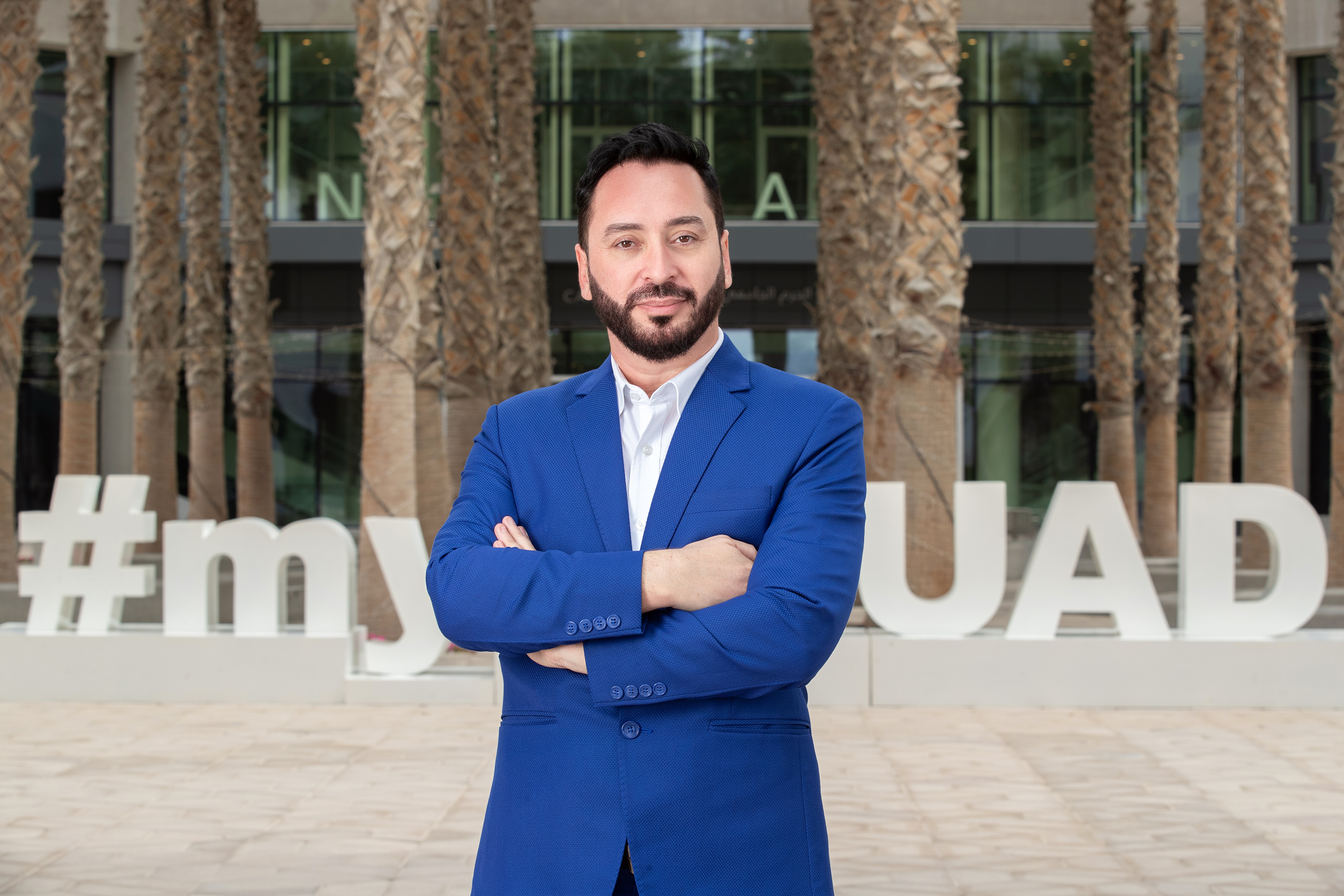
Principal Investigator, Professor of Chemistry
Panče Naumov leads the Smart Materials Lab and the Center for Smart Engineering Materials at NYUAD. His group is internationally recognized for pioneering crystal adaptronics and advancing adaptive molecular solids, with applications in sensing, robotics, optics, and energy systems.
Meet the TeamAs older adults remain active, experts stress the importance of continuing sexual health education. Rates of sexually transmitted infections (STIs) have seen a rise among seniors in the U.S., partly due to a lack of emphasis on safe sex practices in this demographic. Health providers are now being encouraged to have more open, non-judgmental conversations with older patients about protection and reproductive health.
While the desire for intimacy remains, physical changes are a reality. Issues such as hormonal shifts (menopause in women) or erectile dysfunction in men are common. However, the U.S. healthcare market has seen a surge in treatments, from pharmaceutical interventions to specialized therapies, making these challenges more manageable than ever before. mature sexe in usa
This article explores the evolving landscape of sexual health and intimacy among older adults in the United States, highlighting current trends, health benefits, and the societal shifts that are redefining aging. As older adults remain active, experts stress the
The "Baby Boomer" generation, known for its role in the sexual revolution of the 1960s and 70s, is now entering its senior years. Unlike previous generations, Boomers are increasingly open about their sexual needs and less likely to view intimacy as a "young person’s game." Research from the indicates that nearly 40% of adults aged 65 to 80 are sexually active, with many reporting that intimacy remains a vital component of their overall quality of life. Physical and Mental Health Benefits While the desire for intimacy remains, physical changes
The release of oxytocin and endorphins during intimacy helps lower cortisol levels and improve mood.
We are proud that the Smart Materials Lab is the leading team in impactful chemistry research in the United Arab Emirates, with research output that, according to the Nature Index, accounts for 40‒60% of the total chemistry publications within the country, both in fractional count and weighed fractional count. The past and current research projects in the Smart Materials Lab have been sponsored by Abu Dhabi National Oil Company (ADNOC), Abu Dhabi Education Council (ADEC), Human Science Frontier Program Organization (HFSPO), and the UAE National Research Foundation (NRF), in addition to generous financial support from NYUAD and the NYU Abu Dhabi Institute. The members of the Smart Materials Lab work closely with NYUAD's Center for Smart Engineering Materials (CSEM).