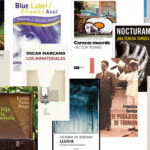
Cuentos
Todos los cuentos publicados
Buscar

Todos los cuentos publicados

Capítulos de novelas disponibles

Ensayos, entrevistas y artículos sobre el arte de narrar
One of the primary concerns of "Road House" is the culture of violence that pervades the roadhouse and the surrounding community. Dalton, the protagonist, is a mysterious and skilled fighter who is hired to restore order to the establishment. However, as the film progresses, it becomes clear that Dalton's methods are not simply about quelling violence but also about perpetuating it. This paradox is reflective of the societal attitudes towards violence in the late 1980s, a time when the United States was experiencing a surge in violent crime.
"Road House" (1989) is a complex film that offers a nuanced exploration of themes such as violence, redemption, and the American Dream. Through its portrayal of Dalton's character and the world of the roadhouse, the film critiques societal attitudes towards violence and offers a commentary on the human condition. As a cultural artifact, "Road House" provides insight into the anxieties and concerns of late 1980s America, making it a fascinating object of study for film scholars and historians.
Dalton's character arc is also one of redemption, as he confronts his troubled past and seeks to find a sense of purpose in his life. The film portrays Dalton as a drifter, someone who has been wandering the country without a clear sense of direction or belonging. His employment at the roadhouse serves as a catalyst for his redemption, as he begins to form connections with the people around him, including the roadhouse's manager, Wade (played by Kelly Lynch).

Espacio de encuentro para lectores, autores, editores, libreros y estudiosos de nuestra literatura, con el fin de contribuir con el fortalecimiento de nuestra industria editorial, la promoción de las voces jóvenes y la difusión de la tradición narrativa venezolana.
Siguenos: