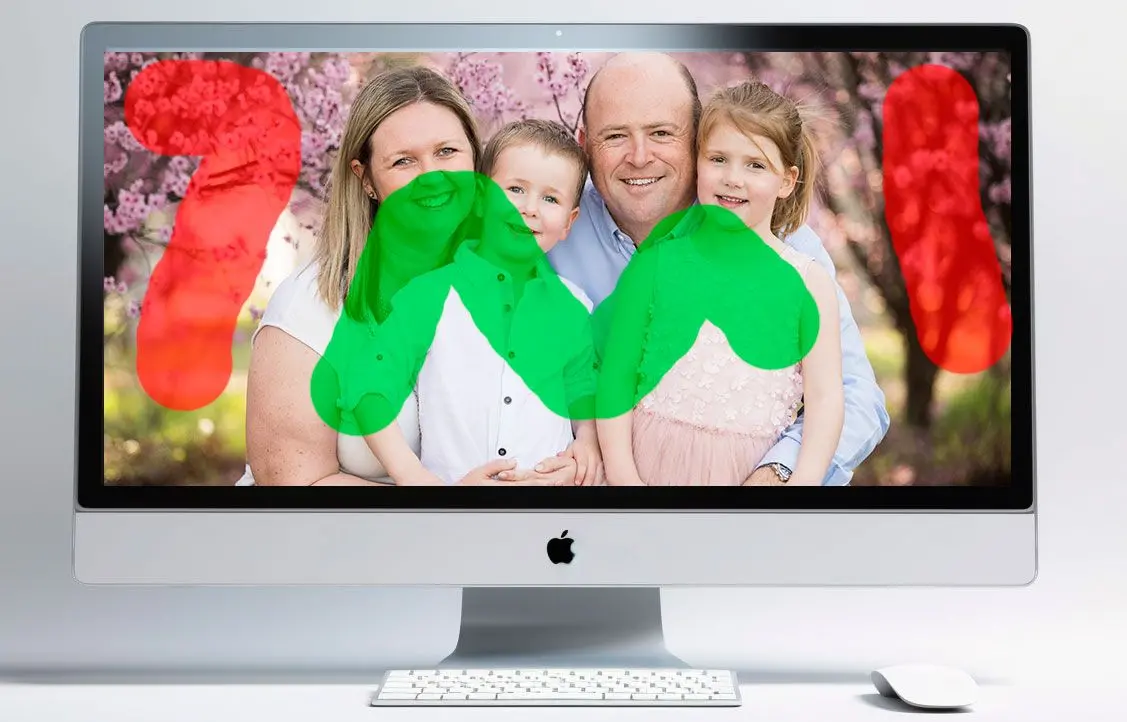
Unleash the power of AI-driven background removal. Experience effortless precision and stunning results. Perfect for designers, photographers, and content creators alike.
Learn how to easily remove unwanted backgrounds from your images using SoftOrbits' Background Eraser Download.


Download and Install
Download the software from the official SoftOrbits website and follow the on-screen instructions to install it on your PC.

Import Your Image
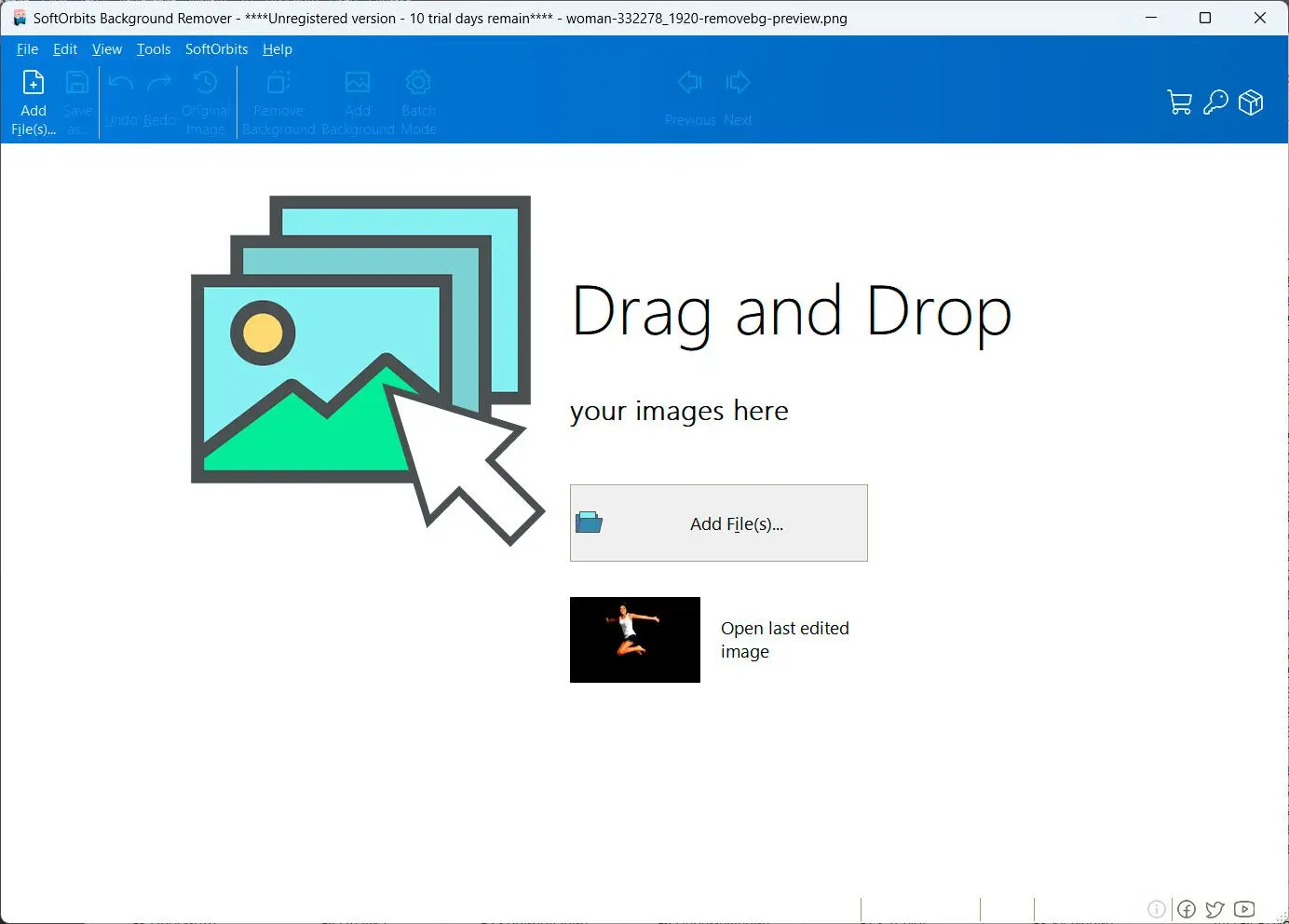
Open the software and import the image you want to edit by clicking the Open Image button or dragging and dropping the image onto the interface.

Remove the Background
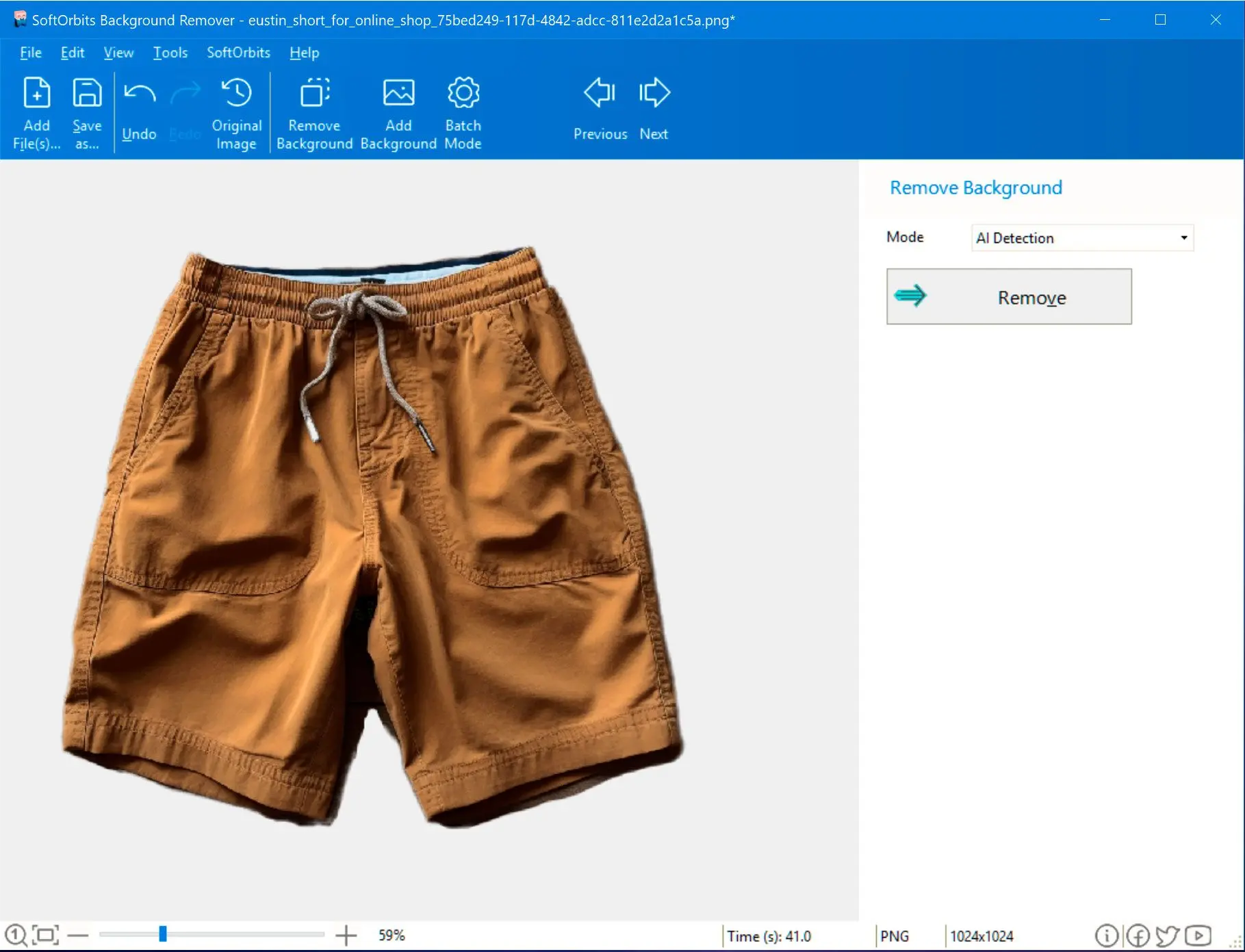
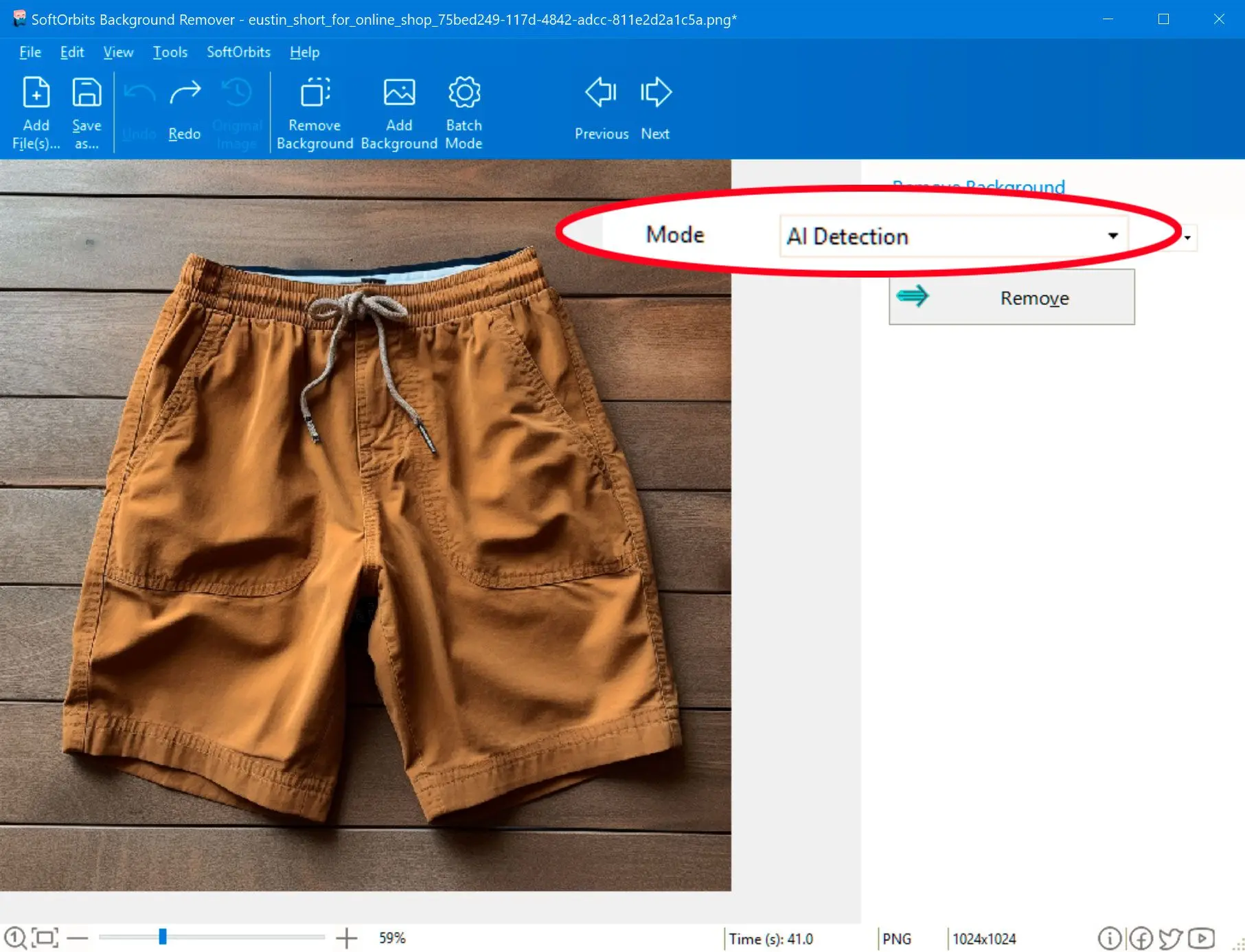
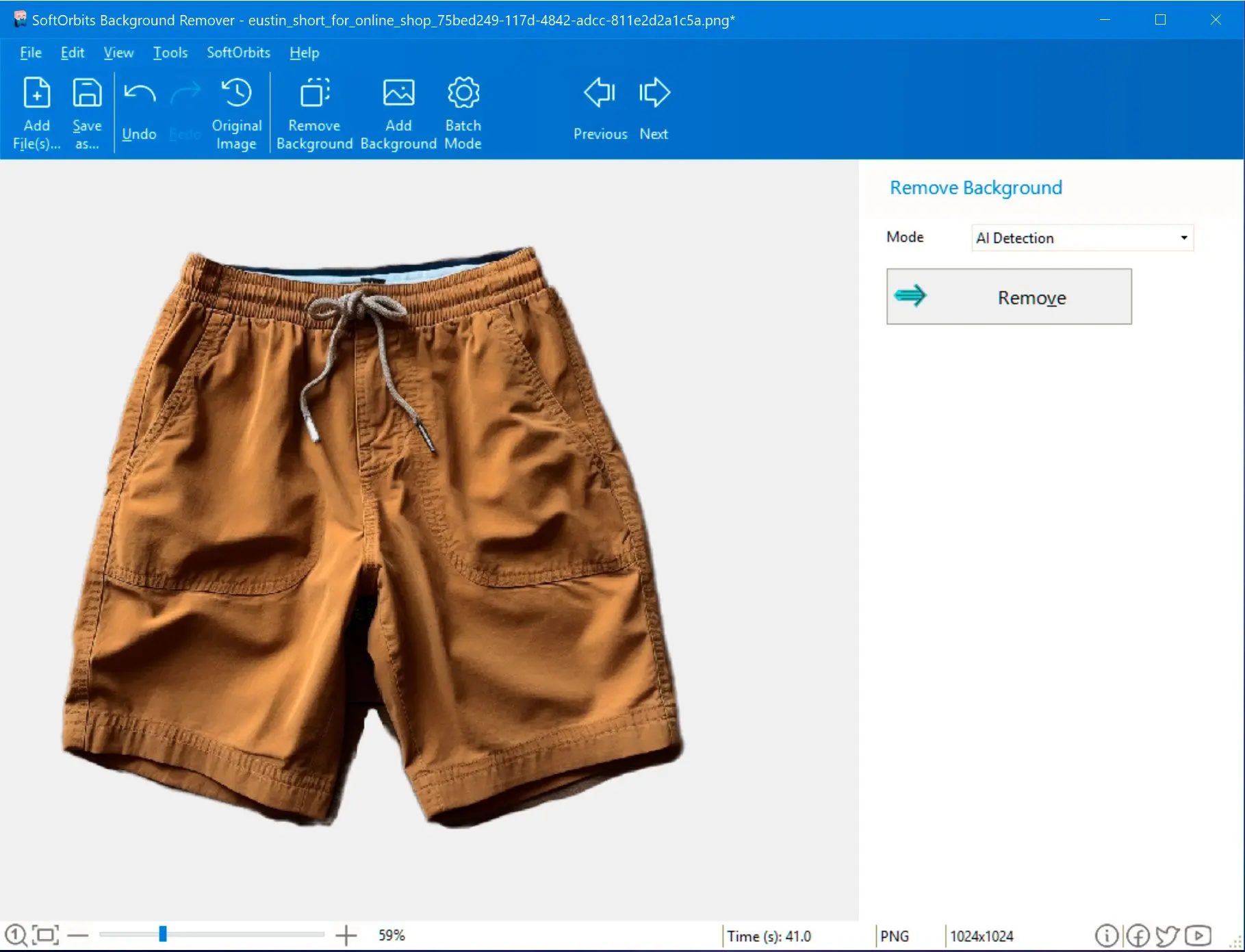
Use the software's intuitive tools to select the area you want to keep and remove the background. You can choose between automatic and manual removal modes.

Our advanced AI algorithms accurately detect and remove even the most complex backgrounds, ensuring precise results. For those who prefer a more hands-on approach, our manual editing tools provide pixel-perfect control over the removal process.
Create stunning product images, design eye-catching social media graphics, or enhance your personal photos. Our tool empowers you to bring your creative vision to life. The Mother of the Gods, Athens, and the Tyranny...
Fast and efficient batch processing capabilities allow you to quickly remove backgrounds from multiple images at once, saving you valuable time.
Are you interested in a deeper look at the or the historical figures Munn uses to build his case? The Mother of the Gods, Athens, and the Tyranny of Asia
Overall, the book is considered a fundamental study for those interested in the intersection of , Greek-Persian relations , and the origins of political sovereignty .
The book examines how fifth-century political relationships between Greece and Persia influenced religious practice, suggesting that religious shifts were deeply tied to shifts in power and identity. Critical Reception
In his 2006 work, , historian Mark Munn explores a historical paradox: why did the Athenian democracy house its official archives in a temple dedicated to the Mother of the Gods, a deity with foreign, eastern roots? Key Arguments
Reviewers on sites like Bryn Mawr Classical Review and Amazon describe the work as "brilliant," "revolutionary," and "resourceful" for its ability to interconnect seemingly disparate facts into new historical vistas.
Munn argues that the Mother of the Gods (Kybebe/Kybele) was originally a Phrygian and Lydian goddess associated with absolute kingship (tyranny).
5/5 ⭐⭐⭐⭐⭐
5/5 ⭐⭐⭐⭐⭐
5/5 ⭐⭐⭐⭐⭐
5/5 ⭐⭐⭐⭐⭐
Are you interested in a deeper look at the or the historical figures Munn uses to build his case? The Mother of the Gods, Athens, and the Tyranny of Asia
Overall, the book is considered a fundamental study for those interested in the intersection of , Greek-Persian relations , and the origins of political sovereignty .
The book examines how fifth-century political relationships between Greece and Persia influenced religious practice, suggesting that religious shifts were deeply tied to shifts in power and identity. Critical Reception
In his 2006 work, , historian Mark Munn explores a historical paradox: why did the Athenian democracy house its official archives in a temple dedicated to the Mother of the Gods, a deity with foreign, eastern roots? Key Arguments
Reviewers on sites like Bryn Mawr Classical Review and Amazon describe the work as "brilliant," "revolutionary," and "resourceful" for its ability to interconnect seemingly disparate facts into new historical vistas.
Munn argues that the Mother of the Gods (Kybebe/Kybele) was originally a Phrygian and Lydian goddess associated with absolute kingship (tyranny).