



In the early 2010s, the suffix "HD" was a powerful marketing tool. For a platform or product to be labeled "The WatchHD," it promised a leap in clarity—moving from 480p to 1080p and beyond. This evolution wasn't just about pixels; it was about immersion. High definition allowed for tighter shots, more detailed textures, and a level of cinematic quality that was previously reserved for physical Blu-ray discs. As internet speeds increased, "The WatchHD" became a reality for the average consumer, democratizing high-end cinematography. The Accessibility Paradox
Today, "WatchHD" feels almost like a retronym. With 4K and 8K resolution becoming common, simple High Definition is no longer the "ceiling" of quality but the "floor." However, the legacy of this era remains. It established the "instant-on" culture of streaming—the idea that any movie or show should be available in crystal-clear quality at the click of a button.
The rise of "WatchHD" services also highlights the tension between accessibility and legality. Many platforms bearing this name emerged as unofficial streaming hubs, offering vast libraries of content without the subscription fees of major studios. This created a digital "Wild West," where users could access high-quality media instantly, but at the cost of supporting piracy. These sites pushed the industry to innovate; eventually, legitimate giants like Netflix and Disney+ adopted the HD-standard model to compete with the convenience and quality these unofficial sites provided. Modern Implications
관련 자료 다운로드
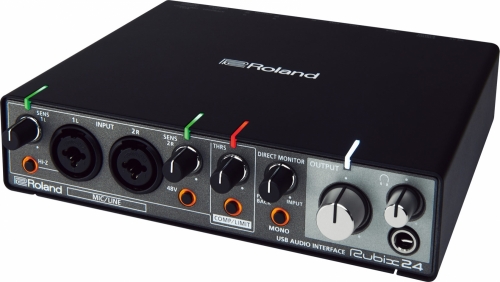
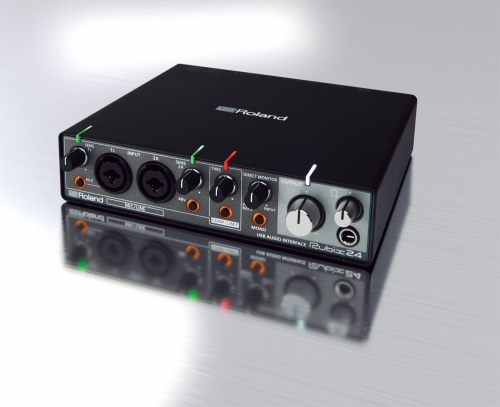
| 설명서 | Roland Rubix22/ Rubix24 / Rubix44 설치 매뉴얼 |
| 설명서 | Roland Rubix22/ Rubix24 / Rubix44 레퍼런스 매뉴얼 |